Published December 16, 2022
Selling Your Home vs. Keeping It As a Rental

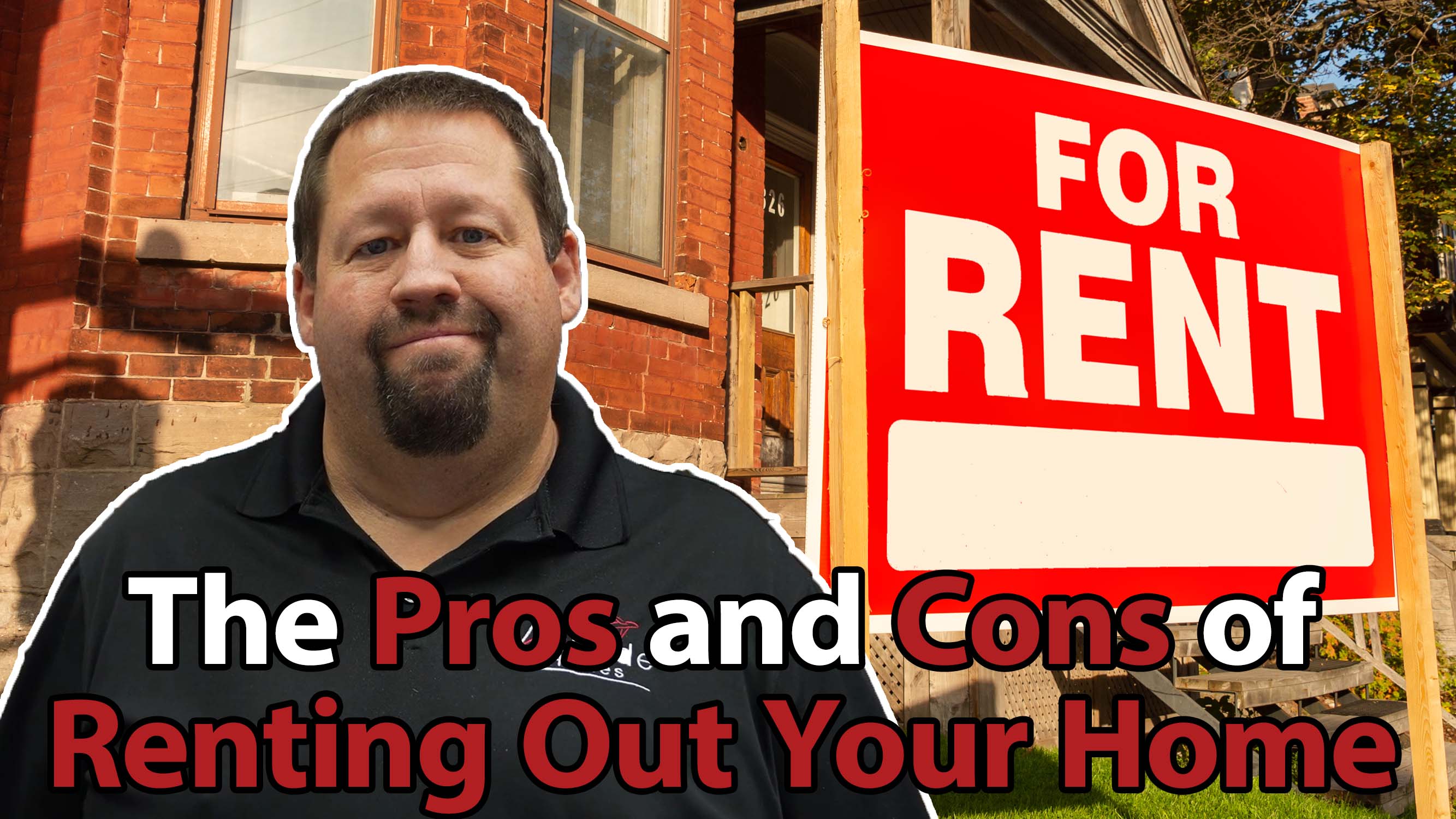
Should you sell your primary residence or turn it into a rental property?
There are two main ways for homeowners to get value out of their current properties. First, you can sell the home and get your equity out of it. However, a less conventional strategy is becoming more popular in our area: converting your primary residence into a rental. Here at the Altitude Homes Team, our mission is to help our clients generate wealth through real estate investment, so this topic is of particular importance to us.
How do you do that? First, you need to speak with your lender if you haven’t paid off your mortgage. You typically can’t use a primary residence loan for investment purposes, so you may have to change the terms of your mortgage or wait until it is paid in full. Also, in some cases, you must have lived in your home for at least 12 months before converting it into a rental. Finally, check local laws and HOA regulations to make sure it’s legal for you to make this switch.
There are some fantastic pros to converting your primary residence into a rental. For example, you’ll have a steady stream of passive income you can use to invest in other areas. Rents have been rising all over the country, so you might be able to make more money from your rental than you think. For example, my home could bring in an extra $1,000 a month for me if I chose to turn it into a rental.
"Converting your home into a rental could make all of your rental income tax-free."
There are also many tax benefits to rentals. Unlike primary residences, there are many deductions that rentals may qualify for, including advertising, repairs, cleaning, and maintenance. However, the most important tax benefit is the depreciation expense. This is an exemption for general wear and tear, and it could make all of your rental income tax-free. If you’d like to learn more about how this exemption works, you can sign up for one of our events where we walk participants through the many steps of creating a real estate portfolio.
Unfortunately, there are some cons to turning your primary residence into a rental. Maintaining a rental can be a full-time job unless you pay a property management company to do it for you. Also, you forfeit the ability to exempt yourself from capital gain taxes when you eventually sell. You can get around this using a 1031 exchange, but you’d have to use the funds to purchase another investment property, so your options are limited.
The truth is that whether or not it makes sense to convert your primary residence into a rental depends on your situation. If you’d like to discuss the topic further or would like a no-obligation consultation, don’t hesitate to call or email us. We’d love to talk things over with you.